Warning: "continue" targeting switch is equivalent to "break". Did you mean to use "continue 2"? in /home/camera32/public_html/timeformacedonia.com/wp-content/plugins/essential-grid/includes/item-skin.class.php on line 1041

Warning: "continue" targeting switch is equivalent to "break". Did you mean to use "continue 2"? in /home/camera32/public_html/timeformacedonia.com/wp-content/plugins/woocommerce-product-addons/classes/class-product-addon-cart.php on line 313

Warning: "continue" targeting switch is equivalent to "break". Did you mean to use "continue 2"? in /home/camera32/public_html/timeformacedonia.com/wp-content/plugins/woocommerce-product-addons/classes/class-product-addon-cart.php on line 330

Warning: "continue" targeting switch is equivalent to "break". Did you mean to use "continue 2"? in /home/camera32/public_html/timeformacedonia.com/wp-content/plugins/woocommerce-product-addons/classes/class-product-addon-cart.php on line 363

Warning: "continue" targeting switch is equivalent to "break". Did you mean to use "continue 2"? in /home/camera32/public_html/timeformacedonia.com/wp-content/plugins/woocommerce-product-addons/classes/class-product-addon-cart.php on line 382

Warning: Cannot modify header information - headers already sent by (output started at /home/camera32/public_html/timeformacedonia.com/wp-content/plugins/essential-grid/includes/item-skin.class.php:1041) in /home/camera32/public_html/timeformacedonia.com/wp-includes/feed-rss2.php on line 8
Time For Macedonia – Discover the beautiful side of Macedonia https://timeformacedonia.com Discover the beautiful side of Macedonia Tue, 09 Sep 2025 13:46:40 +0000 en-US hourly 1 https://wordpress.org/?v=4.8.25 https://timeformacedonia.com/wp-content/uploads/2015/11/favicon-16x16.png Time For Macedonia – Discover the beautiful side of Macedonia https://timeformacedonia.com 32 32 Making Time for Macedonia https://timeformacedonia.com/4537-2/ https://timeformacedonia.com/4537-2/#respond Wed, 30 Nov 2016 16:41:23 +0000 http://timeformacedonia.com/?p=4537 If it hadn’t been for business my sister had in Macedonia, I might never have visited this small Balkan country that was once part of the former Yugoslavia. When she suggested I join her and spend a few days there before embarking on other travels we had planned, I found myself having to get my...

The post Making Time for Macedonia appeared first on Time For Macedonia - Discover the beautiful side of Macedonia.

]]>
If it hadn’t been for business my sister had in Macedonia, I might never have visited this small Balkan country that was once part of the former Yugoslavia. When she suggested I join her and spend a few days there before embarking on other travels we had planned, I found myself having to get my bearings (where in Europe exactly?) and wondered what there was to see there (the country hadn’t been advertised as a vaunted tourist destination in any of the tourism feeds I subscribe to).

An itinerary suggested by Time for Macedonia sounded promising: two days on the road with a guide followed by a day and a half on our own in Macedonia’s capital, Skopje. We’d be there at the end of September avoiding crowds of tourists while still enjoying good weather. And we’d be visiting a UNESCO Word Heritage Site, reason enough for me to visit any country.

While the country is commonly referred to simply as Macedonia, it’s official name is the Former Yugoslav Republic of Macedonia (FYROM) or the Republic of Macedonia for short – not to be confused with the geographic region of Macedonia in northern Greece (directly to the south of the Republic of Macedonia). Both countries are situated on the Balkan peninsula (a region in southeast Europe named after the Balkan Mountains), but unlike the Republic of Macedonia, Greece isn’t one of the political communities included in the Balkans. I don’t pretend to know what that means in political or practical terms for either country, but they’re both members of the UN whose mandate is to foster international cooperation. And I’m all for that.
making-time-for-macedonia-1

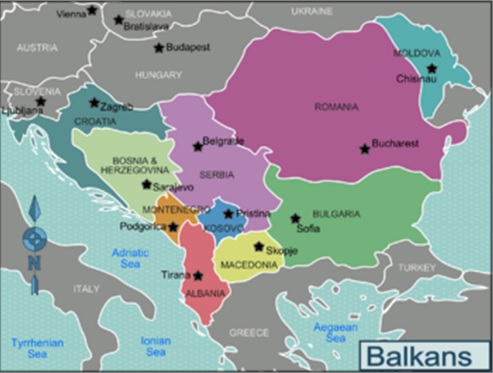
 http://wikitravel.org/en/Balkans

You can see from this map that Macedonia is landlocked. But what it lacks in seashore, it more than makes up for in lakes. Its three largest ones (Ohrid, Prespa and Dojran) are natural lakes of tectonic origin (depressions formed by movement of the earth’s crust), but Macedonia has a host of glacial and artificial lakes as well, not to mention a major river (the Vardar) that runs through it. Plenty of water here – an enviable natural resource touted as one of the cleanest in the world. Safe to drink. Also the best tasting water I’ve ever had.
making-time-for-macedonia-2

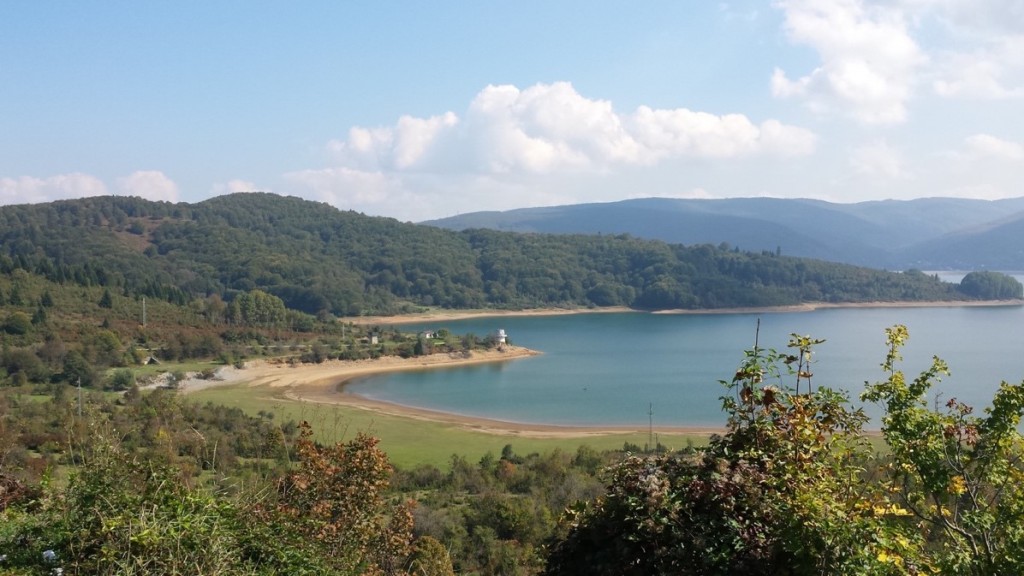
Mavrovo Lake (one of Macedonia’s artificial lakes) in the National Park of Mavrovo.

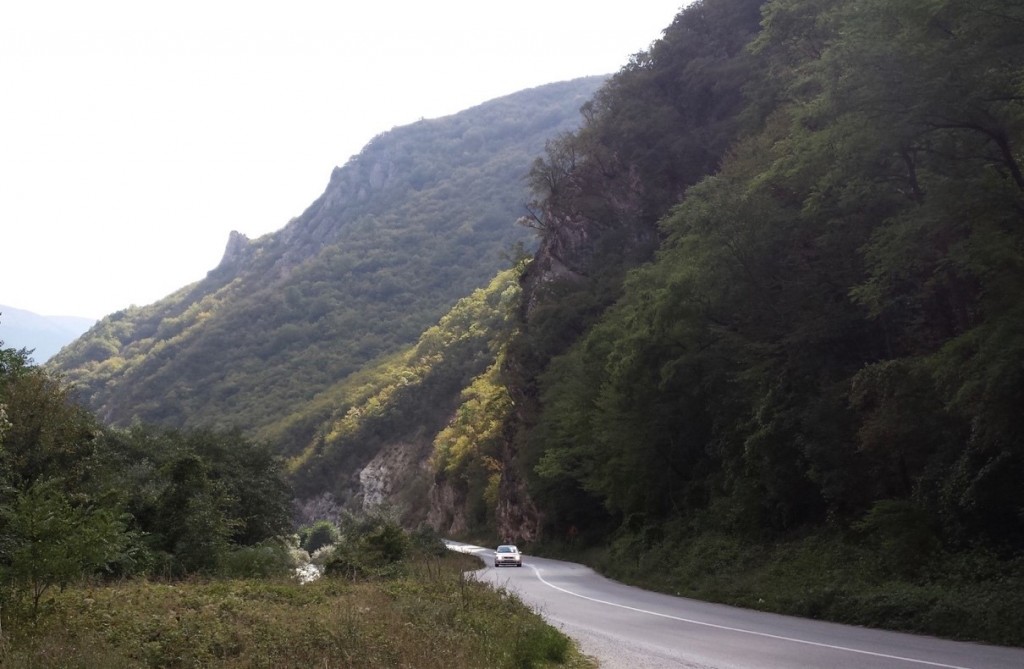
According to one source, Macedonia also boasts the greatest number of mountains in the world (not the highest, but rather the most). I haven’t fact checked that, but given that the majority of the country’s topography is mountainous, I don’t have a hard time believing it. Even Macedonia’s coat of arms will tell you this is a country of lakes and mountains. You’ll find its highest peaks in the National Park of Mavrovo (one of three national parks here and our first introduction to the country). This is a nature-lover’s and outdoor enthusiast’s haven, and if ever I were to return, I’d put hiking on the agenda and get myself to all three national parks along with Matka canyon.
making-time-for-macedonia-3

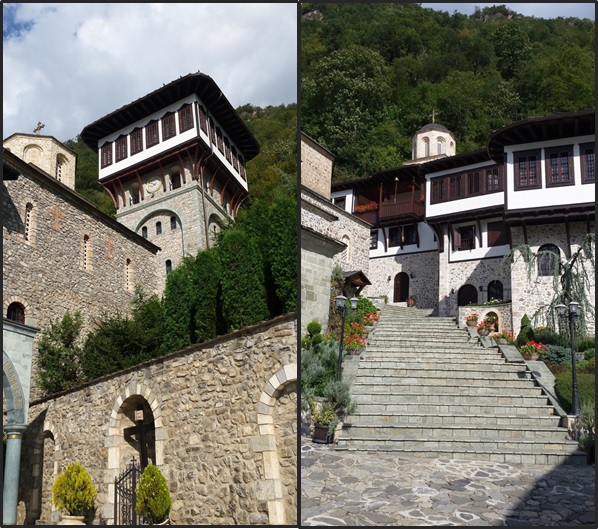
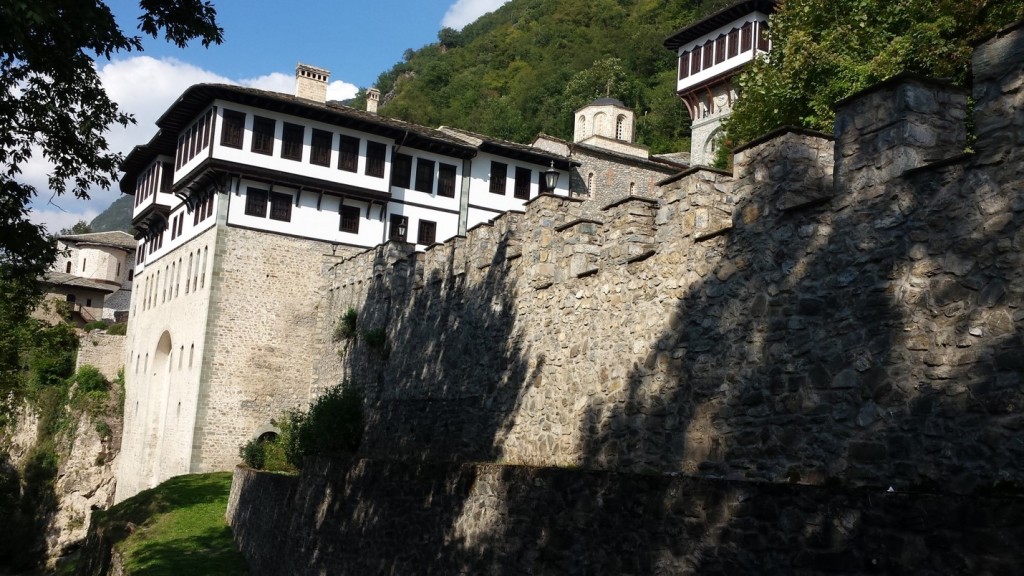
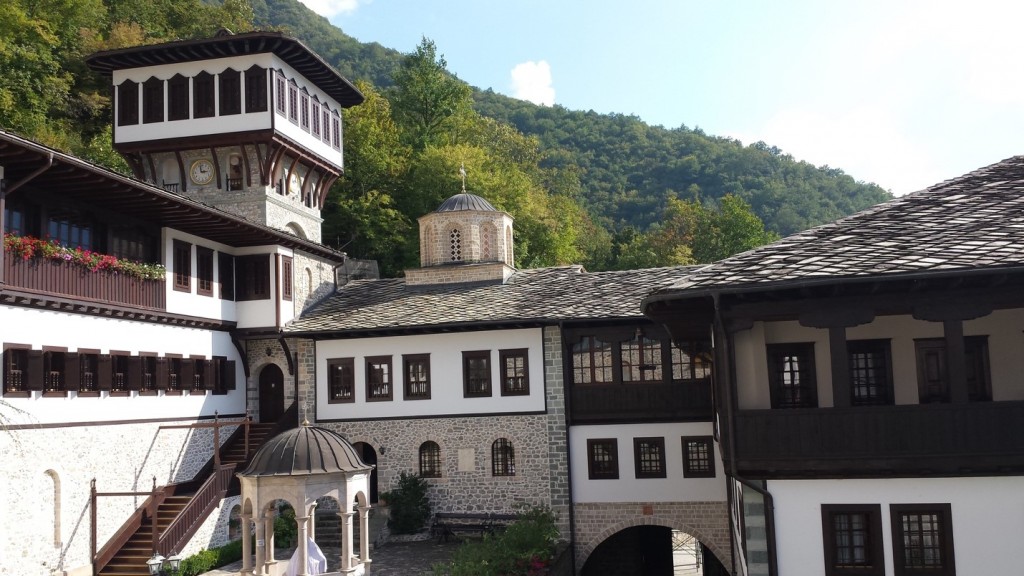
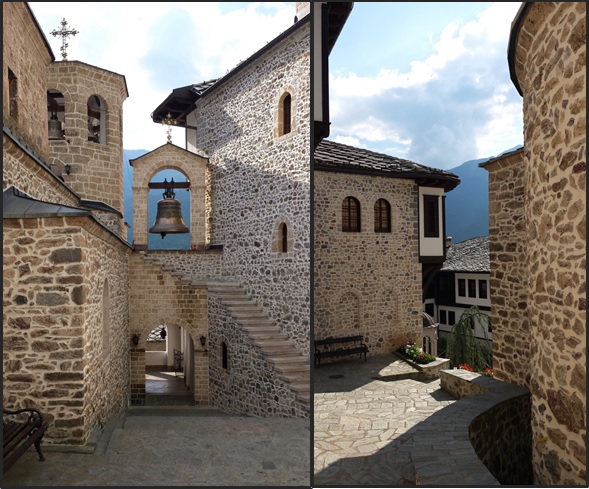
With Macedonian millennial, Bojan Pavlov, at the wheel, we took a scenic drive through Mavrovo National Park, stopping in at the Monastery of Saint Jovan Bigorski on the slopes of the Bistra Mountain. Dating way back to the 11th century (later destroyed by the Ottomans then restored in the 18th and 19th centuries), this monastery is a pretty big deal as cultural-historic sites go in Macedonia. It belongs to the Macedonian Orthodox church (a form of Christianity) and is dedicated to St. John the Baptist, a revered figure in many religions, not just Christianity, who was considered a prophet and noted for baptizing his many disciples, including Jesus. While orthodox Christianity is the dominant religion in Macedonia, about a third of the population is of Islamic faith, and you’ll see mosques dotting the landscape along with churches and monasteries.
making-time-for-macedonia-4

making-time-for-macedonia-5

making-time-for-macedonia-6

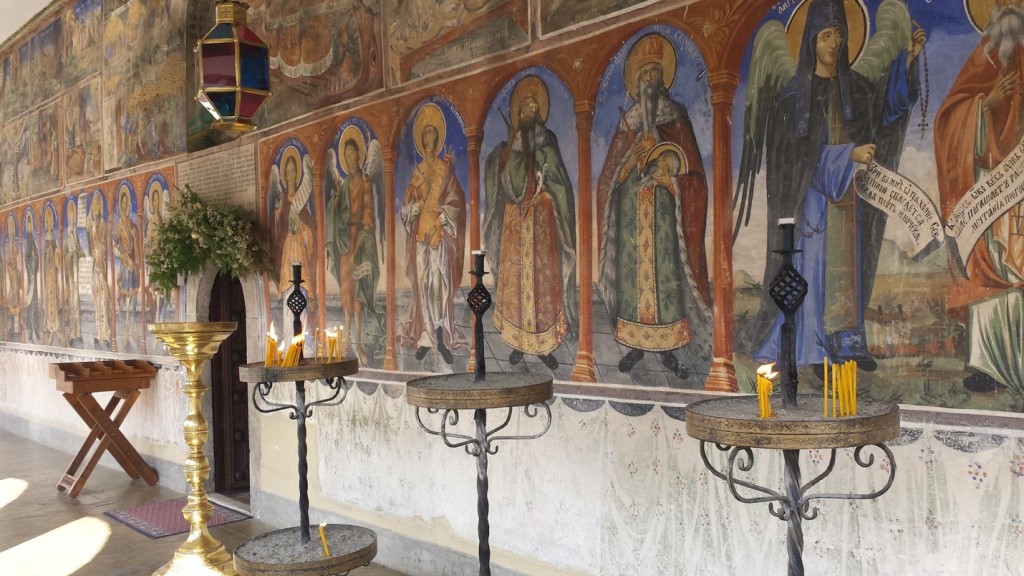
Whether or not you have a religious affiliation, you’ll appreciate the spiritual nature of this place along with the beauty, tranquility, and sanctuary it offers nestled in the mountains. Lovely views of the surrounding landscape. Beautiful stonework and frescoes. Intricate wood carvings. In fact, this monastery’s church has an especially impressive carved wooden iconostasis (a type of screen that holds icons and separates the sanctuary behind the altar from the rest of the church). It’s renowned in the Balkans as iconostases go, and you really have to see it in person to appreciate the artistry and painstakingly long hours over half a dozen years that went into creating it. (No photos allowed in the church, otherwise I would have included one here.)

If you’ve travelled to Meteora in Greece, you’ll be reminded of the monasteries there. If you have yet to travel to Greece, be sure to visit Meteora.
making-time-for-macedonia-7
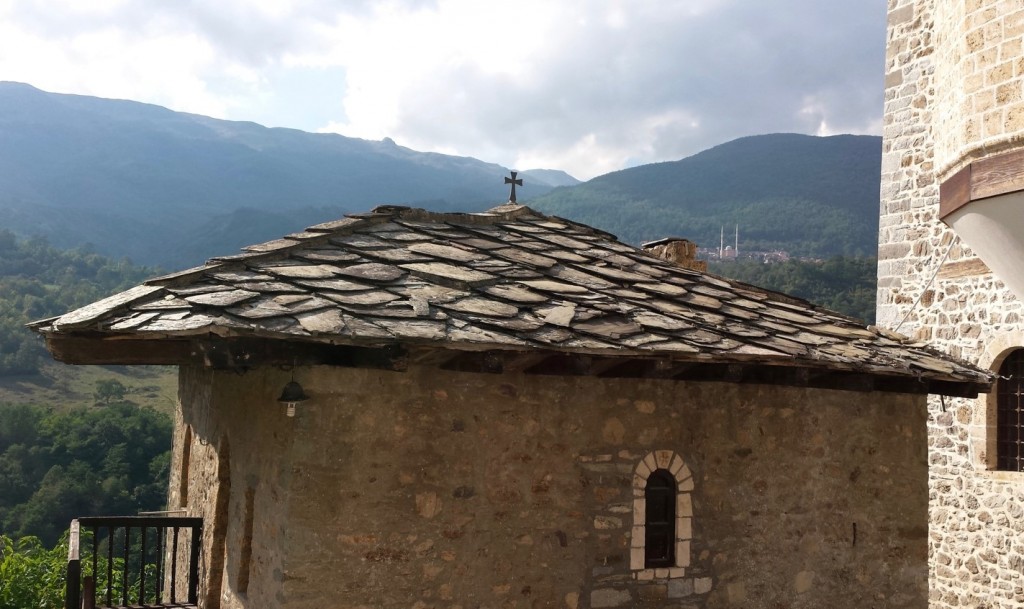
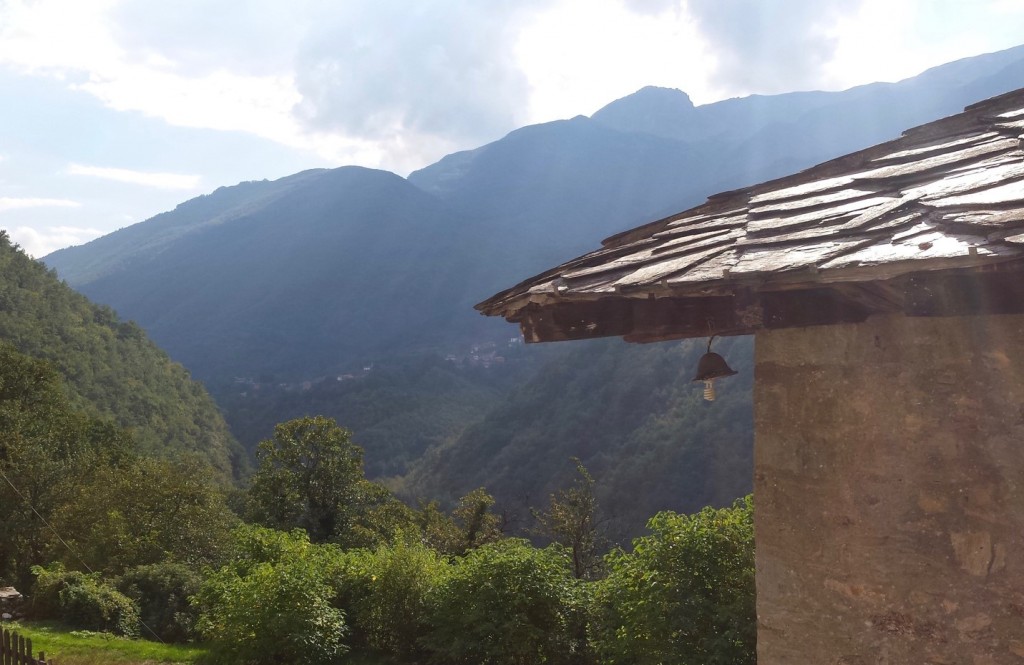
Monasteries and mosques co-exist in Macedonia (see the mosque in the distance above?).
making-time-for-macedonia-8

making-time-for-macedonia-9
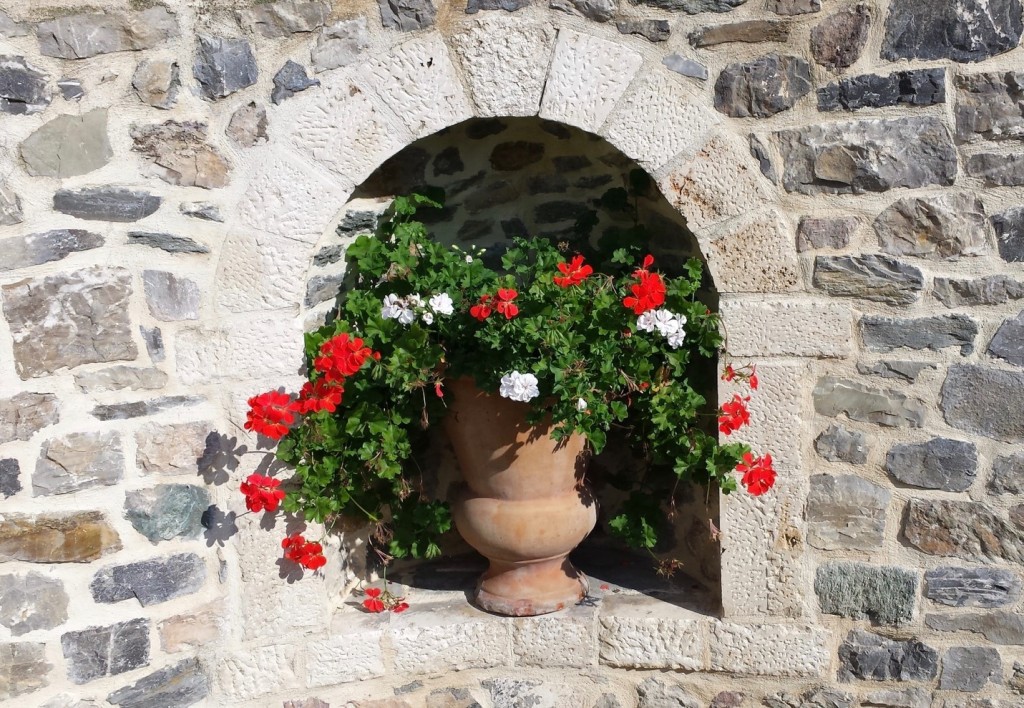
Entrance to the monastery’s church with candle stands outside where you can place a lit candle and say a prayer for someone living (top tier) or dead (bottom tier).
making-time-for-macedonia-10

making-time-for-macedonia-11
The bedrock in this area and the beautiful stone used to build the monastery is limestone.

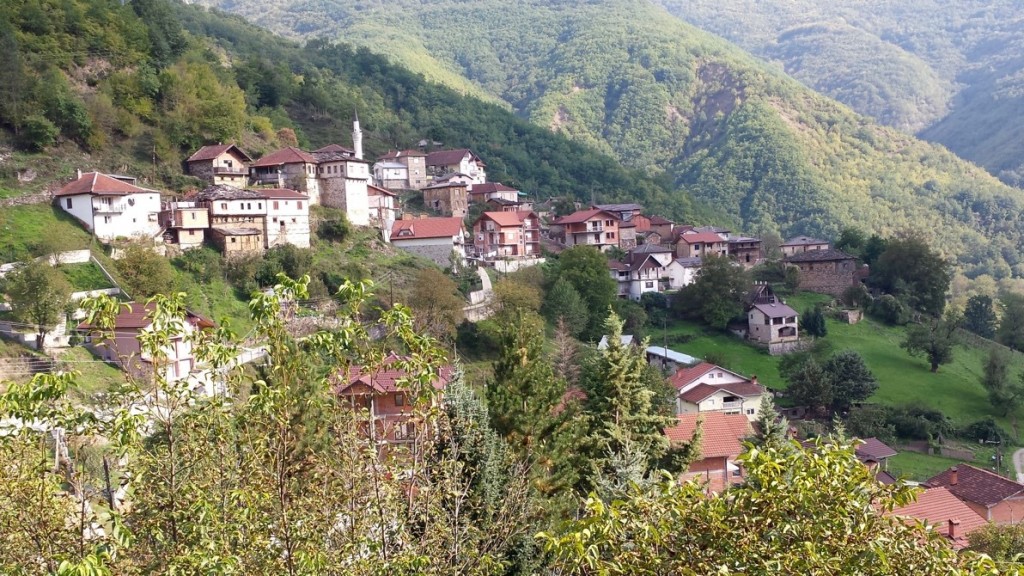
From the Monastery of Saint Jovan Bigorski, we made our way to the nearby village of Janče (one of many picturesque villages in the mountains), where we stopped for a very late lunch at the Hotel Tutto. The hotel offers a beautiful view of the village and the surrounding valley and mountains along with delicious local fare (so worth the wait).
making-time-for-macedonia-12

View of Janče from Hotel Tutto in the Radika valley in the National Park of Mavrovo.
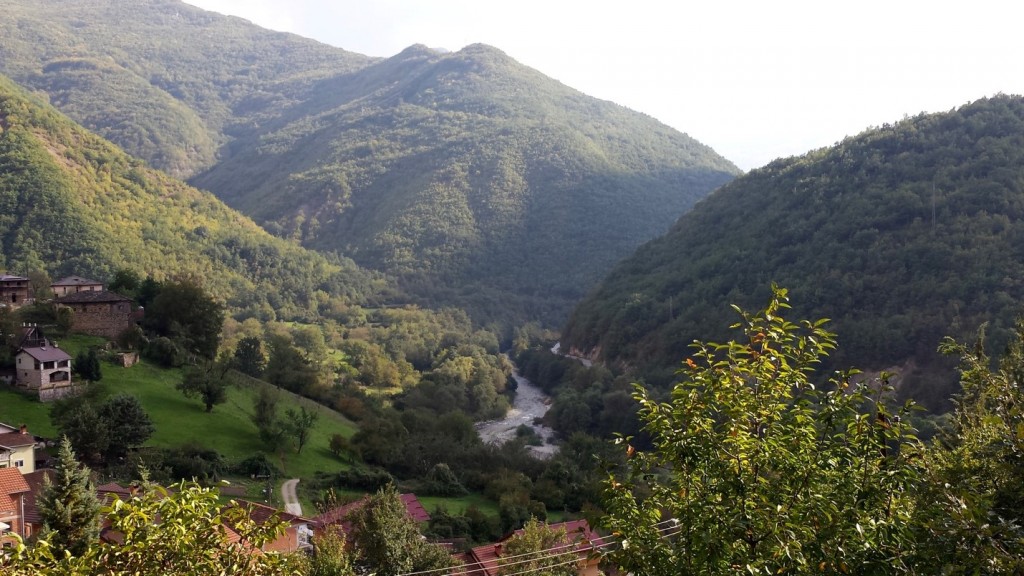
making-time-for-macedonia-13

The Radika river runs through the Radika valley.

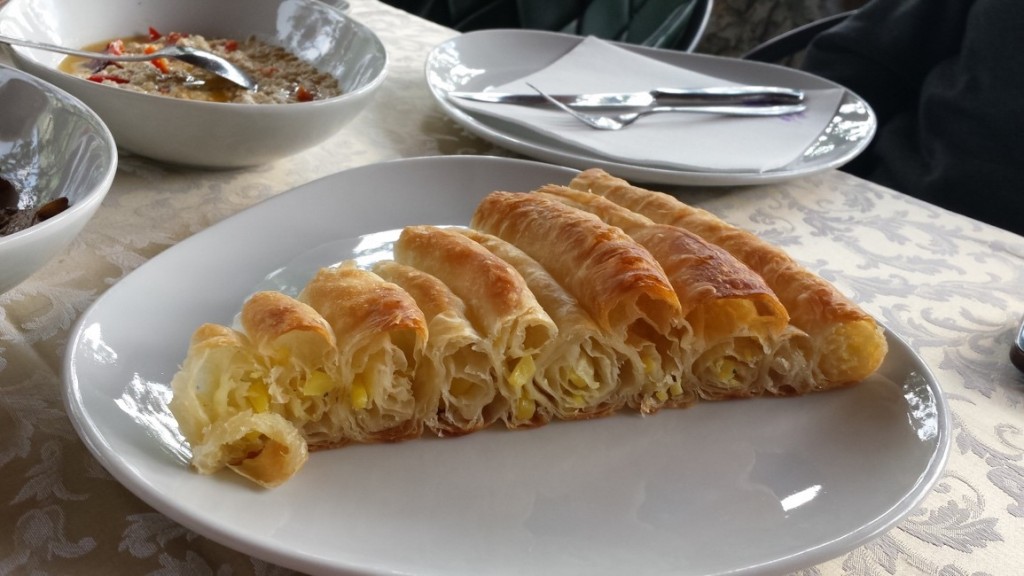
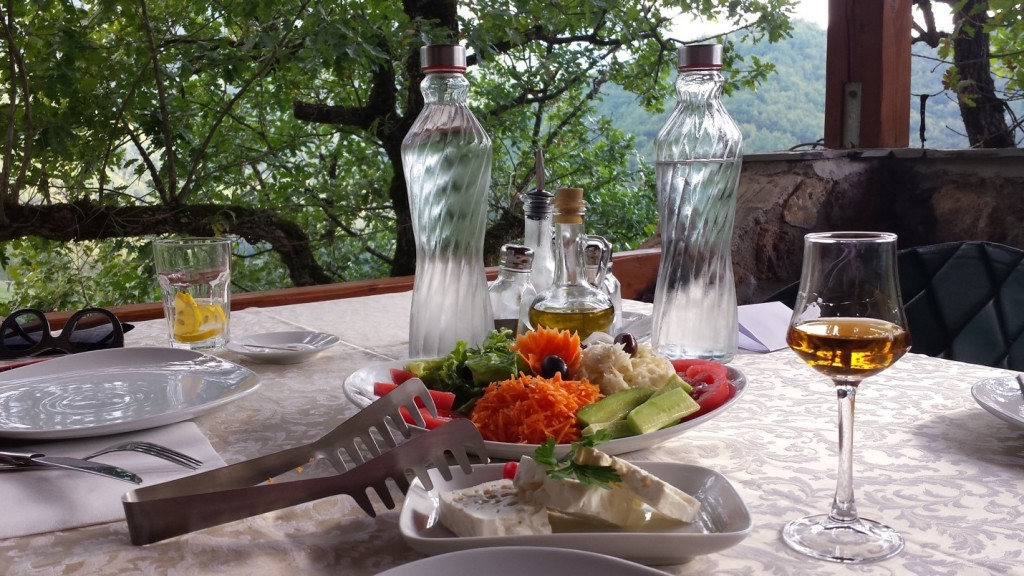
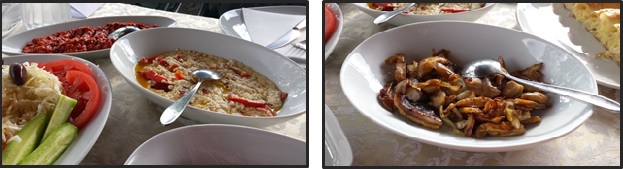
I gather Macedonians enjoy a relaxed way of life and love sitting for hours over a meal shooting the breeze and spending time with each other. Nice. In a beautiful, relaxed setting like this, it was impossible not to follow suit, so we lingered over a mezze of local mushrooms and veggies, a potato-filled pastry, and a few national staples that included a white sheep cheese (sirenje) similar to feta, a roasted red pepper relish or spread called ajvar (I adore the stuff), and a glass of homemade rakija, a smooth and delicious amber-coloured fruit brandy with an alcohol content of about 40% (home brews can be double that or more).
making-time-for-macedonia-14

making-time-for-macedonia-15
making-time-for-macedonia-16
making-time-for-macedonia-17

We were in Macedonia in the middle of ajvar season when the harvest of red peppers is in and families are in the throes of preparing and canning this delicious side dish/spread. The peppers are roasted (Hotel Tutto uses the outdoor oven pictured above), then peeled, seeded, chopped, and stewed with whatever seasoning a family’s recipe calls for, then sealed in glass jars. Clearly this is a hugely labour-intensive exercise. But it’s also a highly social one. Family, friends, and neighbours make a day of it helping each other out. The idea is to make enough to last the winter. (I’m not sure you can really make enough, it’s that good. But even more than the taste, I love the communal effort that goes into preparing it.)

The downside of lingering over that meal (no regrets) was reaching Vevčani Springs in the dark – too late to see the springs (a reason to return to Macedonia some day) so we didn’t stay long before driving on to Ohrid, where we’d spend the night and tour the city the next day.

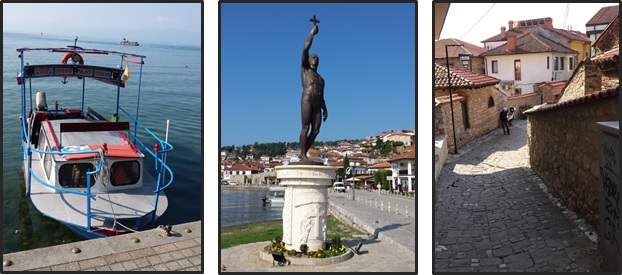
A place has to have special cultural or physical significance in order to be recognized by the UN as a UNESCO World Heritage Site and be afforded protection under international treaties. It happens that Ohrid is one of less than 30 places in the world that’s designated as both a Cultural and Natural world heritage site. It’s a “must-see” if you’re ever in this country. It’s not the largest city in Macedonia, but it is the largest city on the largest natural lake (Ohrid) here. And it’s charming.

To show us around, Time for Macedonia engaged a local guide named Zivka, a warm-hearted woman who was born in Ohrid and raised her family here and who takes great pride in showing off her city. What better guide? I found a kindred spirit in Zivka and thoroughly enjoyed spending a lovely morning exploring the city’s various treasures with her. (My sister’s knees weren’t up to the challenge of a long walk on uneven terrain, so we left her behind to deal with some business.)
making-time-for-macedonia-18

making-time-for-macedonia-19

making-time-for-macedonia-20
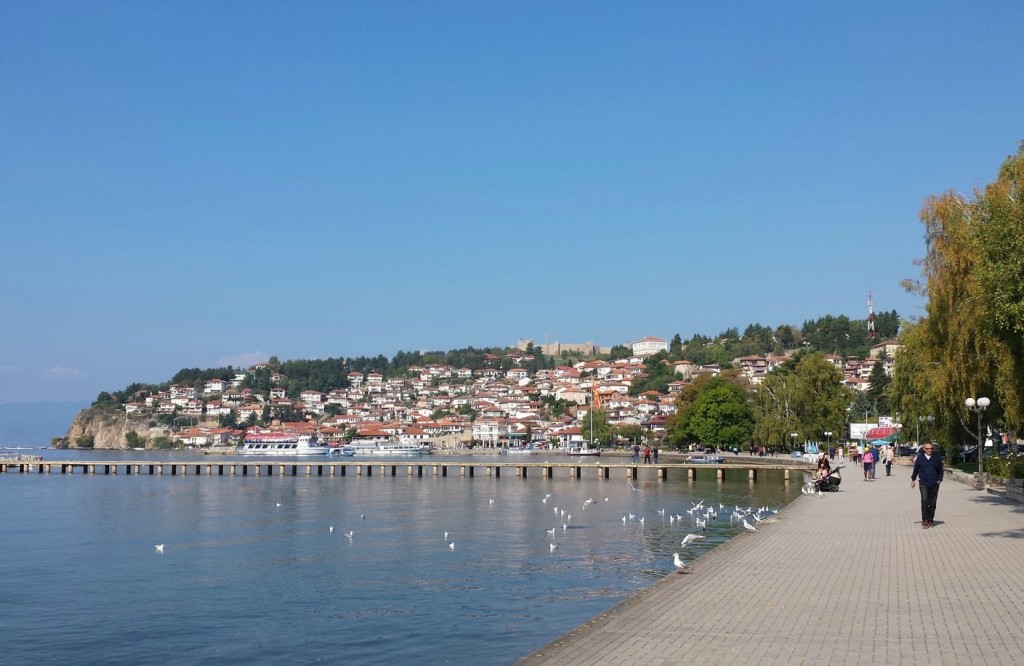
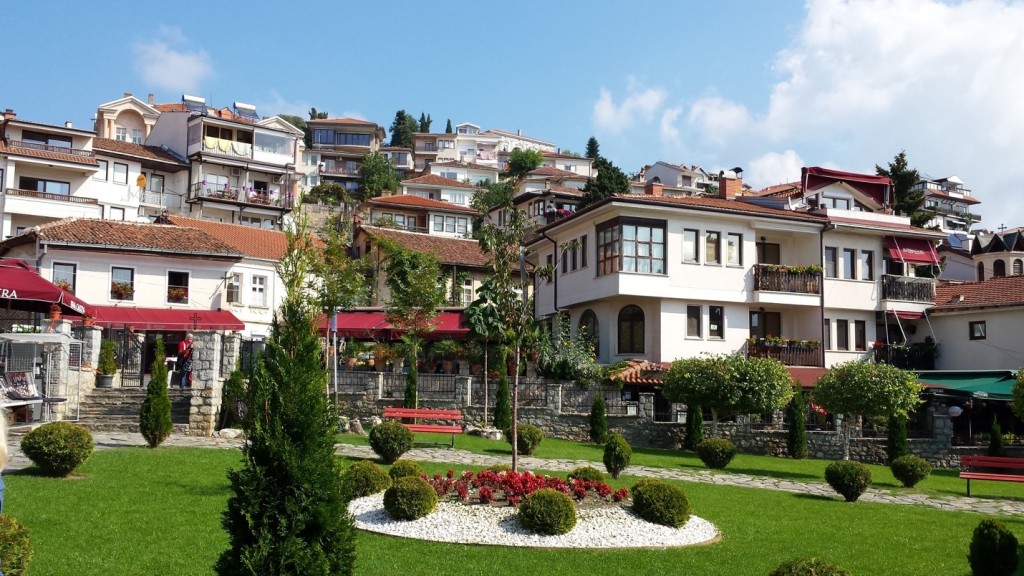
A law prohibits people from building additions that would obscure another person’s view of lake Ohrid.
making-time-for-macedonia-21

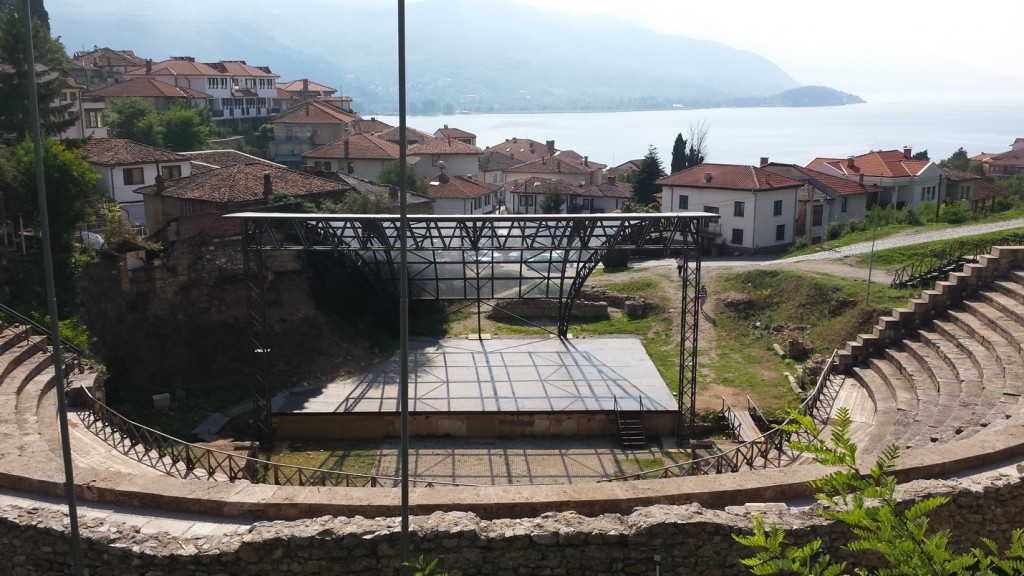
Ohrid’s ancient amphitheater dates back to 200 BC. Once the site of gladiator fights and executions of Christians by the Romans, it was buried by the locals (none too keen to be reminded of their plight) after the Roman empire fell. The amphitheater was unearthed in the 80’s and hosts all manner of public performances (concerts, plays, etc.), drawing global talent. The theatre can seat about 2500 people. I’m betting the acoustics are as fabulous as the view this venue has of lake Ohrid and the mountains.
making-time-for-macedonia-22
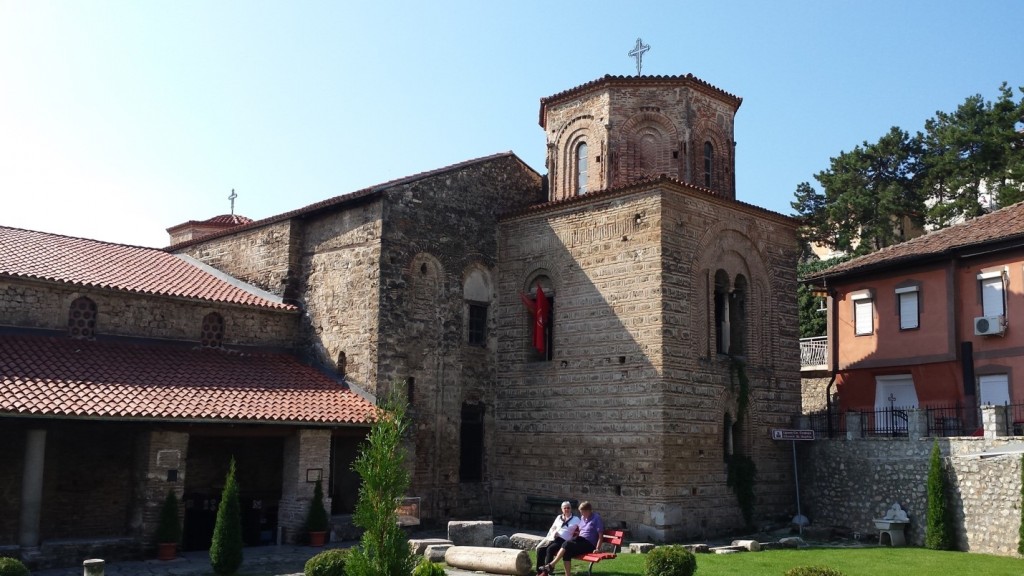
If you hear Ohrid referred to as the Jerusalem of the Balkans, it’s because it once accommodated a remarkable number of churches (one for every day of the year). It still has many (some quite small) and among them, the medieval church of St. Sophia (once converted to a mosque by the Ottomans, then re-converted to an orthodox church). I gather any city with a church named St. Sophia is considered a holy city (that is, especially sacred to those following this religion).

making-time-for-macedonia-23
Inside the church of St. Sophia you’ll find a rare depiction of Mother Mary carrying Jesus in her womb (seen here in the centre of the fresco on the ceiling).
making-time-for-macedonia-24
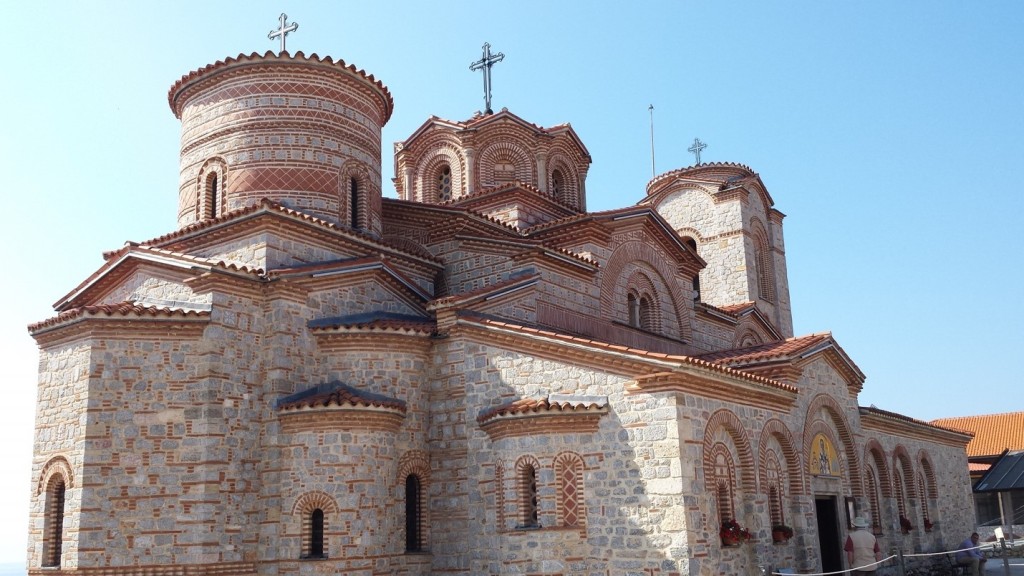
Saint Panteleimon-Clement monastery on the Plaošnik archeological site in Ohrid. The monastery was built by Saint Clement who dedicated it to Saint Panteleimon. It too, was once converted to a mosque by the Ottomans, then later converted back to a monastery. This is where disciples of Saint Clement came to learn Cyrillic script (among other things), so it seems fitting that a new university is being built next to it. The monastery is beautiful with its warm earth tones and lovely architectural lines – and its setting overlooking lake Ohrid equally so.
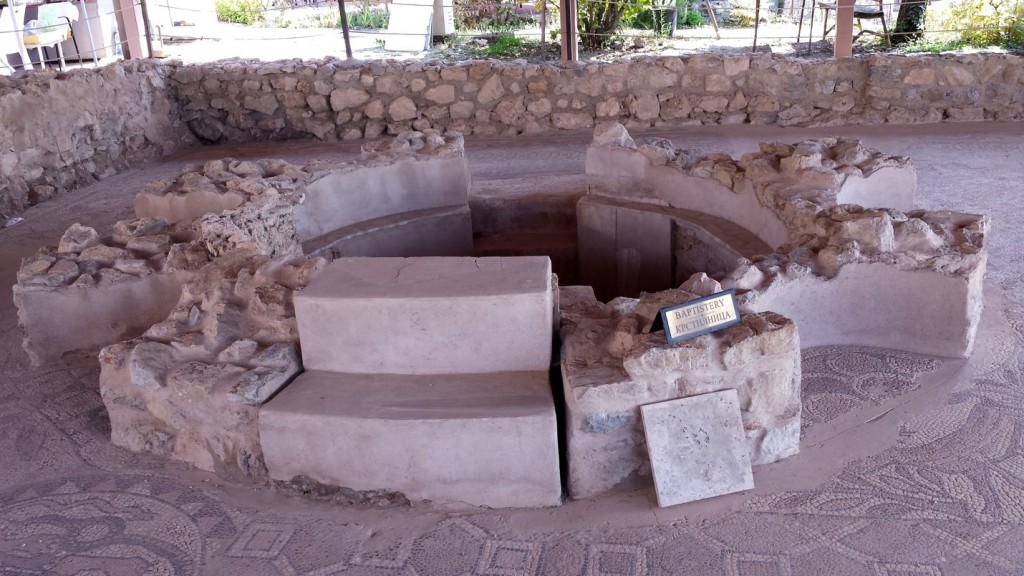
making-time-for-macedonia-25
An especially large ancient baptism chamber with surrounding mosaic tiles on display at the Plaošnik archeological site. St. John the Baptist would approve no doubt.
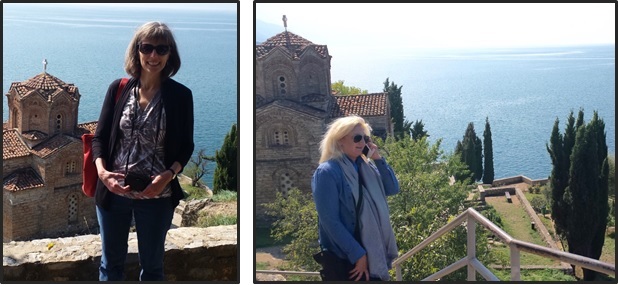
making-time-for-macedonia-26

From Saint Panteleimon-Clement monastery, you can follow a path through an alpine forest (smells heavenly) then head down a cliff to the small church pictured below and onward to the “bridge of wishes.” It’s the route Zivka (right) and I (left) took on our way back into town.
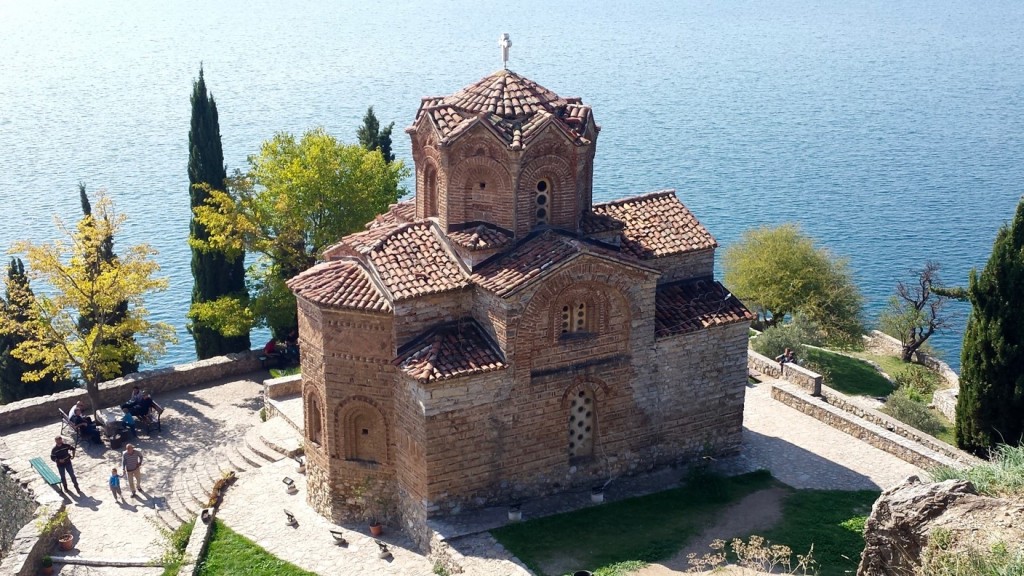
making-time-for-macedonia-27

The views of the old town and lake Ohrid are spectacular from here. (My photos don’t do them justice.) The lake is the largest and deepest natural lake in Macedonia (about 300 m deep). And so clean that you can see 22 metres deep in some places. Pristine. Unfettered by noisy water traffic. Peaceful. Also home of the Ohrid trout, an endangered species that can survive only in these waters.
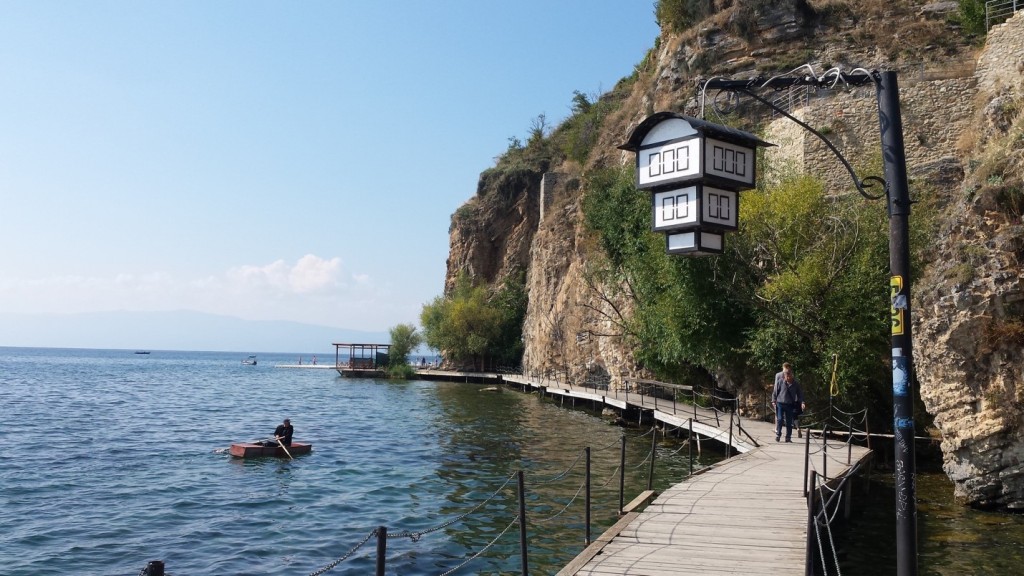
making-time-for-macedonia-28

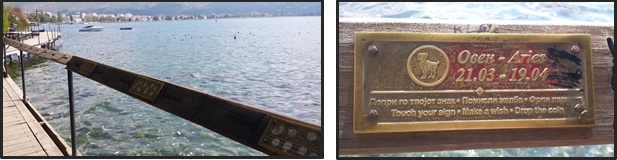
Ohrid’s “bridge of wishes.” Not a bridge so much as a nice boardwalk towards the end of which is a series of brass plaques on a railing depicting signs of the zodiac. The idea is to touch the plaque corresponding to your sign, make a wish and toss a coin into lake Ohrid to make your wish come true.
making-time-for-macedonia-29

I loved Ohrid. And I’d have been happy to spend the rest of the day there, but we still had St. Naum on our itinerary and had to make our way to Skopje before the end of the day. I rejoined my sister and Bojan for the short jaunt from Ohrid to the south on a winding road that takes you past Galicica National Park to St. Naum monastery on Lake Ohrid (a stone’s throw from Albania’s border).

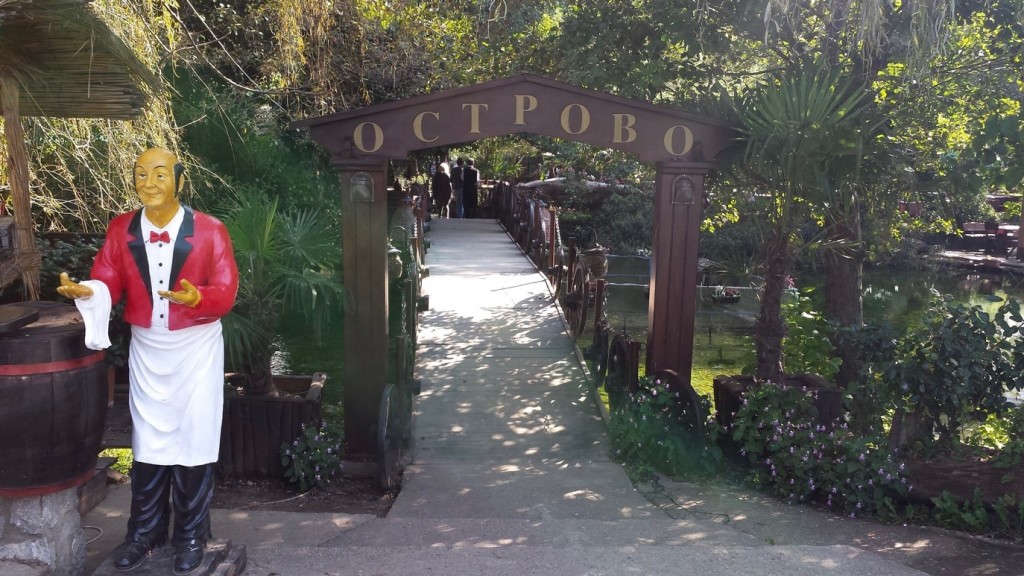
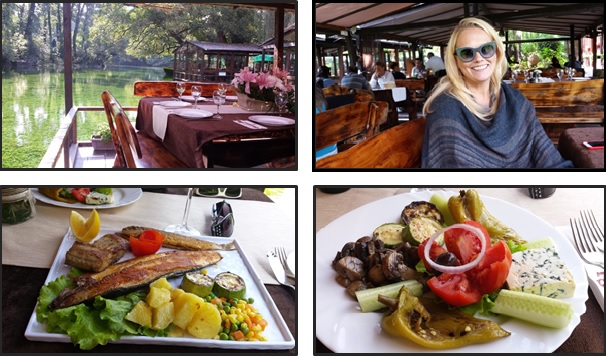
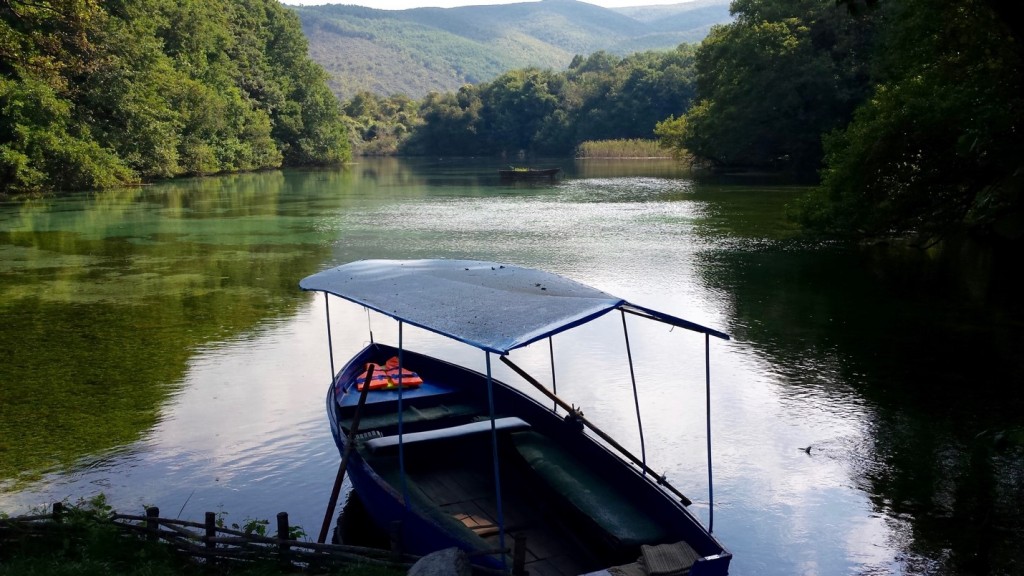
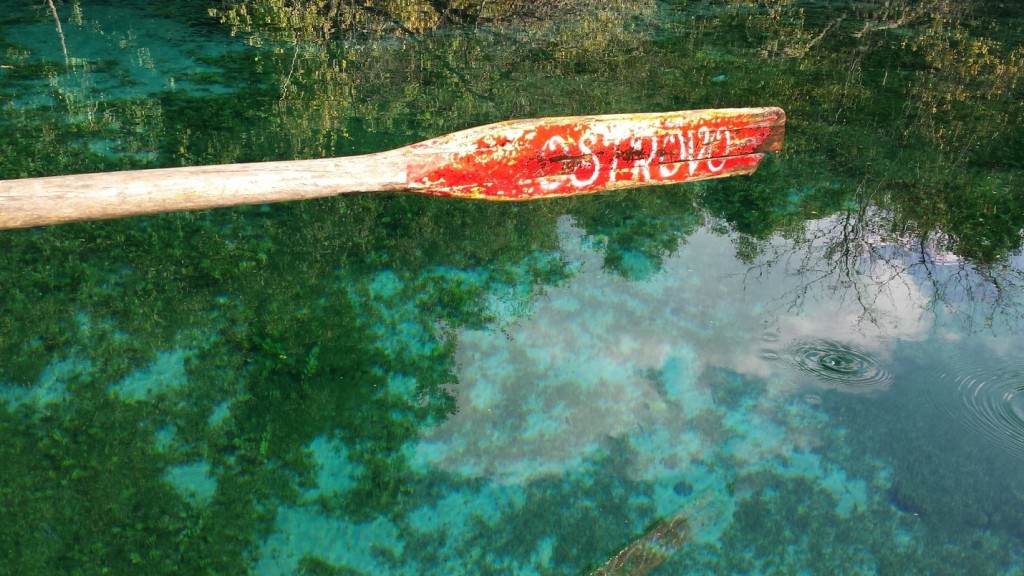
Before visiting the monastery, we stopped for lunch and a ride in a rowboat on the springs of the river Crn (Black) Drim. Our lunch spot and the surrounding waterway and scenery was gorgeous and serene – another highlight of our short time in Macedonia.
making-time-for-macedonia-30

making-time-for-macedonia-31
My sister, Ania, enjoying lunch, a bit of rowing, and shopping for Ohrid pearls made from the shiny underbelly scales of the Plasica fish. The pearls are pretty, not very expensive, and make a nice souvenir.
making-time-for-macedonia-32

making-time-for-macedonia-33

If you go for a ride in a row boat here, you’ll see spring water bubbling up through the sand over parts of the river Drim. Magical.
making-time-for-macedonia-34
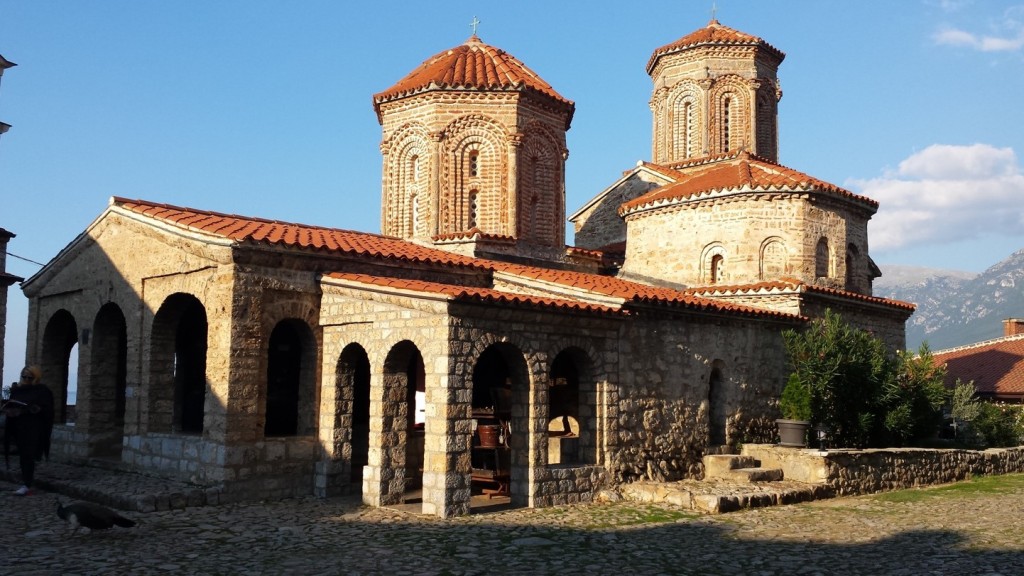
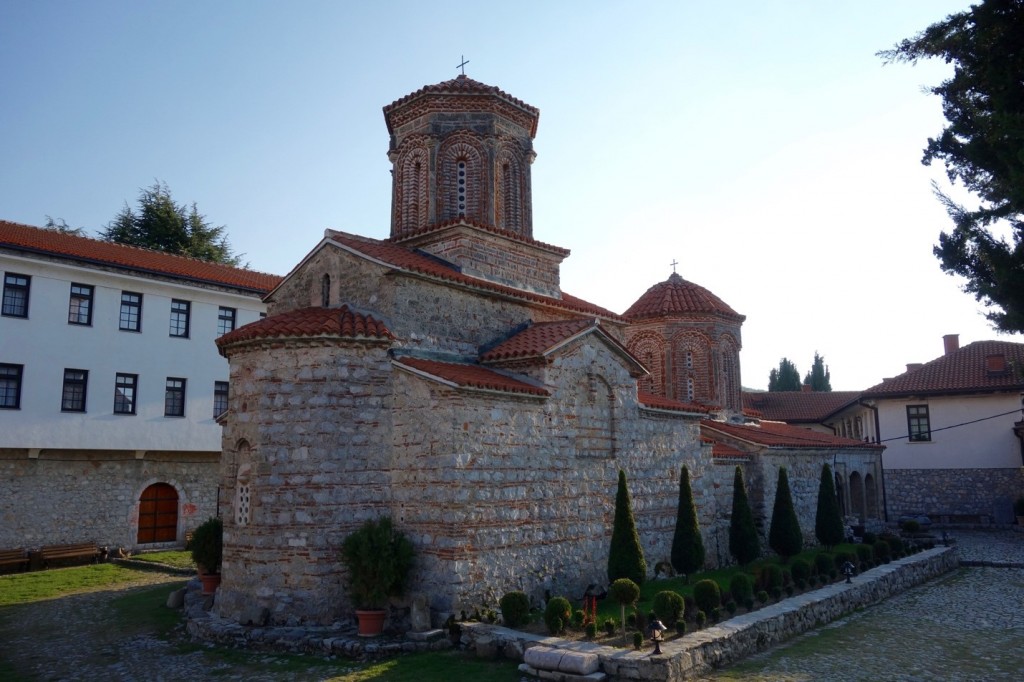
The monastery of St. Naum affords another great view of lake Ohrid, and if you’re really, really quiet, you can hear St. Naum’s heart beating if you press your ear against his tomb inside the monastery. So they say. On the grounds of the monastery, you’ll find both coloured and albino peacocks wandering around.
making-time-for-macedonia-35

Speaking of St. Naum, it turns out that Macedonians in my home province in Canada have an Orthodox church of their own named St. Naum of Ohrid. Small world.

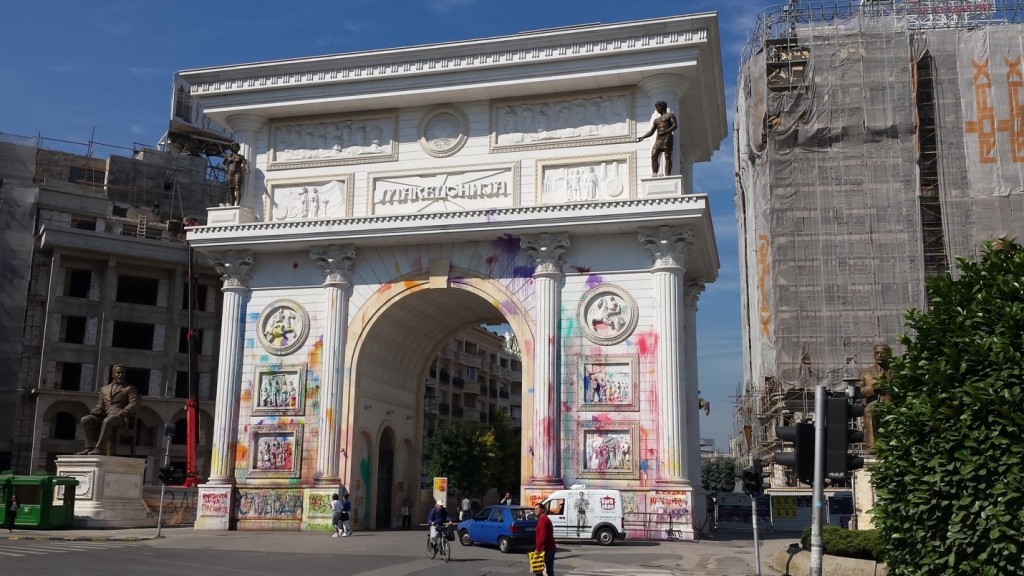
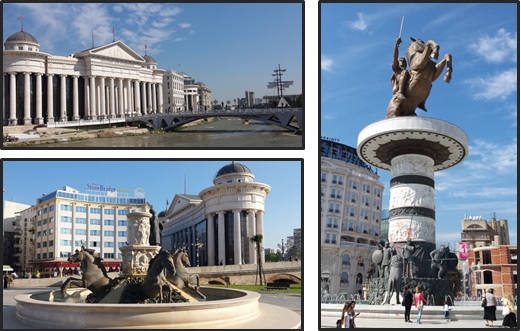
Bojan dropped us off in Skopje, Macedonia’s capital, with suggestions about how to spend our free time there. It was too nice a day to spend in a museum, so we wandered around the city centre instead. In ’63, Skopje had been levelled by an earthquake, and various nations helped rebuild it. But the architects behind the new design planned for only about 200,000 inhabitants, and the population has far exceeded that. (If that’s put a strain on infrastructure and such, we weren’t there long enough to experience it.) Skopje is still going through a makeover that started in 2010 – a refitting of government buildings, an abundance (some might say excess) of new statues and monuments, an Arc de Triomphe-style gate to the city, and a couple of bridges — all of which cost a small fortune and generated some controversy.
making-time-for-macedonia-36
The prettiest graffiti I’ve ever seen on a national monument, but graffiti nonetheless and speaks to public unrest in this country. A group of people were demonstrating (peacefully) outside this gateway the day we were were here. It’s 2016, and there’s a lot of that going around.
making-time-for-macedonia-37
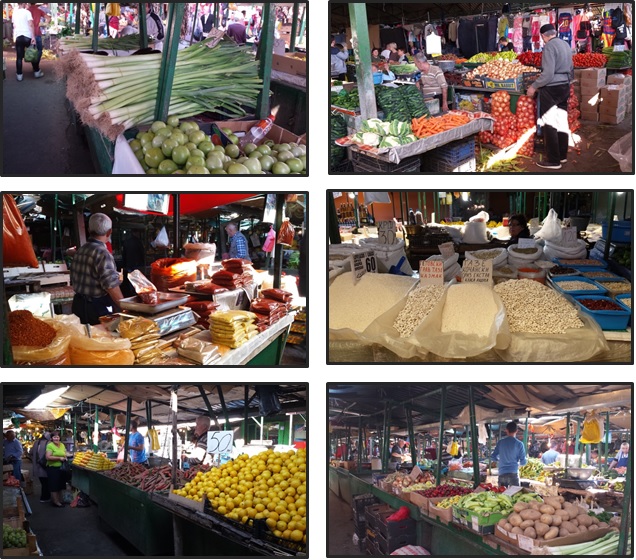
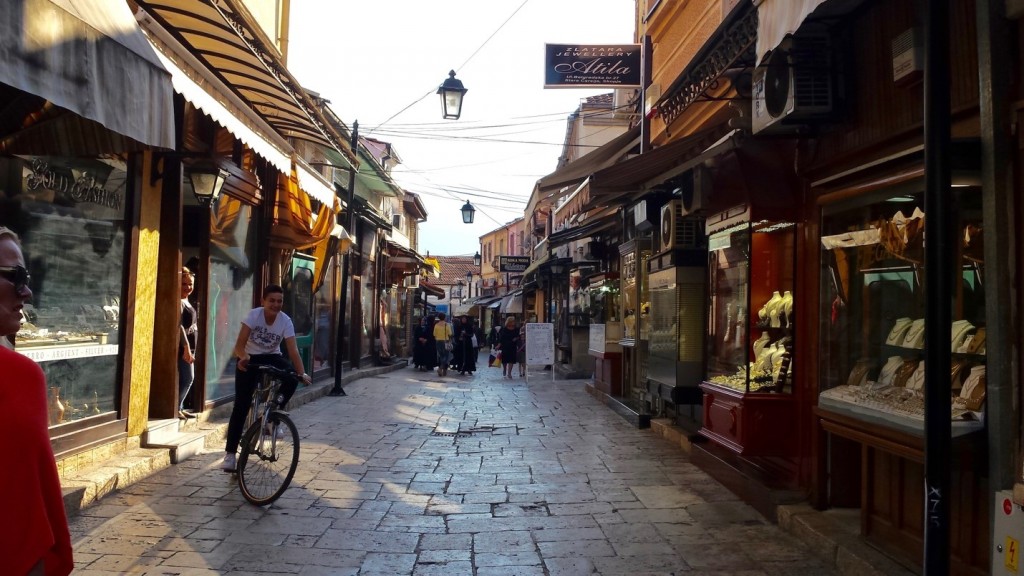
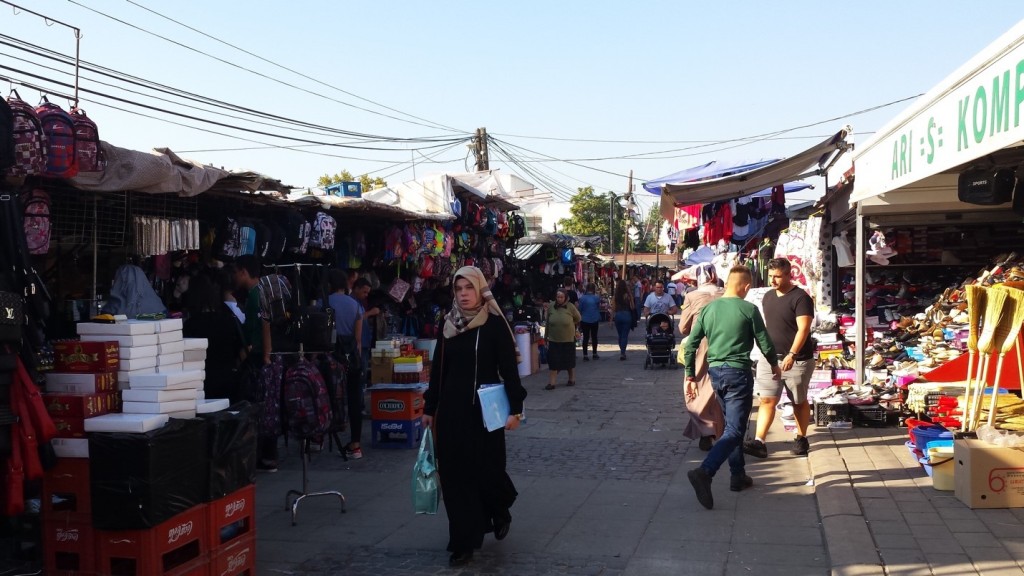
From the city centre, we made our way over a stone bridge to the Old Bazaar, one of the oldest and largest marketplaces in the Balkans. Wandering through that labyrinth, we eventually found a fabulous farmer’s market with an extensive and colourful array of produce (some of which was easily double the size I see back home) and dried goods.
 

making-time-for-macedonia-38

making-time-for-macedonia-39

making-time-for-macedonia-40

making-time-for-macedonia-41

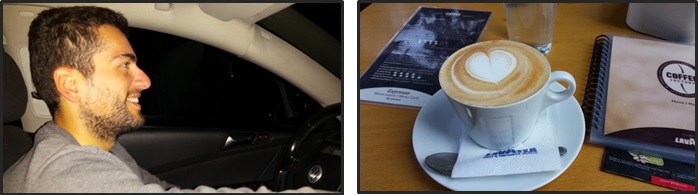
Three and a half days. A bit of a whirlwind tour of a country that hadn’t been on my radar as a tourist destination. An itinerary that took us to sites worth seeing (and to none that weren’t). A flexible, relaxed pace despite a tight timeline and a fair distance to cover. The great company of an educated, thoughtful, well-rounded, easy going guide with a good sense of humour and a ready smile. If you have the pleasure of touring with Time for Macedonia’s, Bojan Pavlov, you’ll learn that he’s an avid outdoorsman who loves coffee and country (possibly in that order). He can tell you all the best places to hike or climb in his country, not to mention where to get the best coffee. Would I go back? Absolutely, given the chance.
making-time-for-macedonia-42

Iz Jakubowski, 2016

The post Making Time for Macedonia appeared first on Time For Macedonia - Discover the beautiful side of Macedonia.

]]>
https://timeformacedonia.com/4537-2/feed/ 0
The Land Of Vrance https://timeformacedonia.com/the-land-of-vranec/ https://timeformacedonia.com/the-land-of-vranec/#respond Fri, 27 May 2016 13:25:13 +0000 http://timeformacedonia.com/?p=4509 The post The Land Of Vrance appeared first on Time For Macedonia - Discover the beautiful side of Macedonia.

]]>

There are many things that Macedonians are proud of: the rich and turbulent history, the beautiful nature, the tasty food, the soulful music, but mostly of their red wine Vranec. In the Macedonian viticulture books it is explained that Vranec is a grape variety of Montenegrin origin with enormous regional production potential. This indigenous Balkan wine grape is widely spread in Montenegro, Serbia, a little in Croatia and mostly in Macedonia in all of its wine regions.

Wine grape

Macedonia is divided in 3 wine regions, Pcinsko-Osogovski, Vardar valley and Pelagonisko – Poloski region. Every wine region has it is own sub-regions (vinogorje) and every sub-region has it is own micro locations. Primary production is located along the river Vardar, where are the following regions (vinogorja): Skopje, Veles, Tikves and Gevgelija-Valadovo region, which includes about 83% of the total production of grape and wine. The largest and most famous production area is the Tikves region.

The climate and soil conditions are favorable towards all known grape varieties for producing quality red, rose and white wines. Macedonia is a place where the European continental and the Mediterranean climate meet, making it perfect for producing various grape varieties and styles of wines. The Tikves vinogorje is the home of Vranec and people there have always praised as their own Macedonian indigenous grape variety, the symbol of the Macedonian viticulture and a synonym of red vine.

Wine history
Macedonia has rich wine tradition. Because of numerous archaeological findings, we can conclude that wine production in Macedonia has started around 13th century B.C. During the time of Philip II and Alexander the Great members of the Macedonian royal family and people in general at that time were known as strong consumers of wine.
This tradition continued during the Roman Empire where Macedonia was one of the most important regions for growing grapes in the Empire.
The significance of the wine was continued at the time of the introduction and the rise of Christianity in the region of Macedonia whereas wine was part of almost all Orthodox Church ceremonies.
History confirms that the wine was important during the reign of Car Samuil and other medieval kings, and also during the Turkish rule in Macedonia (although table grape production was more dominant because of religious dogma).
At the beginning of the 20th century there were number of noble families that were producing grape and wine. At that time King Alexandar Karadjordjevic decided to plant vineyards and to build a winery in Demir Kapija-Villa Marija(which still exist today).
After the Second World War, during the socialism 13 large wineries were created in the Republic of Macedonia, built by the working class, and few of them starting its operations with the nationalized barrels and equipment from different families. On the other side there were more than 30.000 families that owned small vineyards. They were selling the grape to the large wineries.

Vineyard Macedonia

At the end of the 20th century after the separation of Republic of Macedonia from Yugoslavia the privatization process of the old wineries started. While on the beginning of the 21st century number of investors invested in small new wineries all around the country.

Chateau Kamnik

Chateau Kamnik


Chateau Popova Kula

Chateau Popova Kula


Nowadays, grape production represents important strategic branch of the agricultural industry in Republic of Macedonia and together with the wine production, accounts for around 17-20% from the agricultural GDP. Besides that, wine has the first position in the export of alcoholic drinks and takes second place, behind tobacco, in the export of the agricultural products.


About the wine

Many types and styles of this wine are produced. Young Vranec which is aged less than year in Inox steel tanks are mainly cheaper on the market, Vranec that is aged for short time, less than 6 months, in oak barrels or with imitation of oak and then aged in tanks and after that in bottles and there are Vrnec wines that are aged more than year in oak barrels mainly from late and specialized harvests.

Kamink

In general the wine from Vranec grape is with dark red color with dark violet shades, wild berry fruits aromas, ripe cherry aromas, ripe plums, marmalade aromas and chocolate, cocoa, toasted and spice aromas if it is aged in oak barrels. Young Vranec is high on tannin and thus it needs more than 2 years aging to make them soft and elegant.

Kamnik Vranec

The technological characteristics of the grape are: 250 grams of grape mass, it accumulates approx. 210-230 g/dm3 sugars, 6.0-6.5 g/dm3 total acids. The vines have 12-13 %vol alcohol, late harvests and specialized harvests with yield reduction can produce vines above 14%vol alcohol which are high on aromas and color extracts from the skin of the berry. Wines from Vranec are dry and in very small number there are some semi-dry wines.

All of the registered vineries in Macedonia produce Vranec wines, some premium bottles that everyone should try are: Terroir Vranec Grand Reserva by Chateau Kamnik, Vranec Perfect Choise by Popova Kula Winery, Imperator by Bovin Winery, Vranec Veritas by Stobi Winery, Bela Voda by Tikves Winery (is a blend between Vranec and Plavac Mali) and Markov Manastir by Skovin Winery.

Vranec wine is the Macedonian modern-day hero, and the stories about him are telling all of the Macedonian wineries. The hard work, the knowledge and the persistence of the Macedonian farmers and the Macedonian wine makers, the soil with all its minerals, the air, the water and the Macedonian sun are all submerged in the story of this red wine.

Wine and dine


Come, taste, enjoy.

Boro Kaevski, Oenologist

The post The Land Of Vrance appeared first on Time For Macedonia - Discover the beautiful side of Macedonia.

]]>
https://timeformacedonia.com/the-land-of-vranec/feed/ 0
Adventure Next Balkans – Great Event And Great People https://timeformacedonia.com/adventure-next-balkans-great-event-great-people/ https://timeformacedonia.com/adventure-next-balkans-great-event-great-people/#respond Mon, 23 May 2016 12:13:04 +0000 http://timeformacedonia.com/?p=4483 The post Adventure Next Balkans – Great Event And Great People appeared first on Time For Macedonia - Discover the beautiful side of Macedonia.

]]>

Time for Macedonia participate with two Day Of Adventure tours, and
was great experience for us. It was a first time to have such a contribute, especially when you have respectably tour operators, media, diplomatic delegates.

Paragliding Ohrid

Day 1 – Let`s get going

Finally the adrenaline day has come, the sun is up (everyone is happy), the guides are ready, everything is set for the start.
First one is DOA – No. 23 Crn Kamen peak, summit hike at Jablanica Mountain. Our guide Bojan is gathering the participants and they are off to the village Gorna Belica. In the van we have: Jenny Ersbak (ladies first :D) from http://glpfilms.com/ , Thierry Joubert from http://www.greenvisions.ba/ , Lubomir Popiordanov from http://www.hiking-bulgaria.com/ , Ricardo Fahrig from http://zbulo.org/ and the last but not the least Aleksandar Kirkovski our second guide.
The driving is over, it is time for hiking. We started form Gorna Belica (1316 masl.) and in three hours hiking through wonderful nature we reach the Crn Kamen peak (2257 masl.). Being at the highest point from all of the DOAs, we celebrate it with well-deserved lunch and little bit of sunbathing. Unfortunately this equilibrium had to end, and we started descending towards Gorna Belica, passing through the glacial lake (one of the fours at the mountain) where we had a little bit of sunbathing.
After 6 hours of: hiking, taking pictures, laughing, enjoying …. The adventure ended but the memories remained.

Ready for hiking

The Day of Adventure – No.24: Paragliding over Ohrid Lake

Bit worried because of the weather, but the sun came out and looked like a perfect day.
We start gathering the group: Eldvin Gakic (http://www.tudupraft.com/), Bridget Nurre Jennions (http://www.bridgekrieg.com/), Simon Schoepf (http://www.bergwelten.com/) Biljana Georgievska – Swiss Embassy Skopje, two very charming girls from CARANA Corporation, Arben and Bexheti from Kosovo municipality. It was pleasure to meet you all and thank you for the great reviews.

The licensed pilots were ready (Igor, Smote, Smile and Darko), also the ranger from Galichica national Park Gjuro has joined us. The Adventure has startted,we drove up to the Galichica starting point (around 2000masl.) with perfect scenery on the Ohrid Lake. Four people of the group went to fly, the others went with the ranger, for a safari on Galichica Mountain and vice – verse, later one. Safe and sound and all excited from the flight, we continued to St.Naum – restaurant Ostrovo to enjoy the beautiful lunch and music. The restaurant lies on the Crn Drim springs, looking towards Ohrid Lake.
Huh,our tour ended, we learn how to improve ourselves and a lot of tips.

Day two Paragliding


Day 2 – Market Place, table number 41.

We had 10 meetings appointed, Hakan Traner (http://www.aventyrsresor.se/) first meeting, exchanging ideas and presenting our beautiful country ….nice conversation, hopefully for good cooperation. Emma Garrick (http://www.exodus.co.uk/), the second meeting and start to rain :(. Not so much chance to talk, but we will give you interesting packages very soon and attract UK tourist to come and see. Matthias Leuze (http://www.asi-reisen.de/) nice friendly face, great meeting and good ideas too, Marta Gielato (https://www.wildfrontierstravel.com/en_GB/), together we will convince your bosses to come here and start bringing groups. Next one was Bruno Toutain (http://www.cyclomundo.com/) the cycling man from France, the last meeting was with Jime Kane (http://culturexplorers.com/) who wants to explore our customs and traditions. Tired but happy, with bottle of Macedonian wine we finished second day.

Day 3: Media meet up.
Today was more relaxed, we had media session with, Hendrik Morkel (Freelance Outdoor Travel Journalist & Photographer in hikinginfinland.com), Larissa Olenicoff the American blogger girl who lives in Kosovo (http://blonde-gypsy.com/), representatives from http://www.lonelyplanet.com/ and etc. How we can contact the media and tell our stories, to become more visible. They gave us good advices and tips and I hope that we gave them good stories to write about 🙂 I liked the opportunity to speak with several media because this is the chance to promote our country and the incoming tourism in Macedonia.

Nature Crn Kamen


Thank you ATTA for this great opportunity to be a part of global adventure industry. It’s Time For Macedonia ….RELEASE THE NATURE

Aleksandra

The post Adventure Next Balkans – Great Event And Great People appeared first on Time For Macedonia - Discover the beautiful side of Macedonia.

]]>
https://timeformacedonia.com/adventure-next-balkans-great-event-great-people/feed/ 0
Macedonia – If you visit it once you will do it again https://timeformacedonia.com/macedonia-if-you-visit-it-once-you-will-do-it-again/ https://timeformacedonia.com/macedonia-if-you-visit-it-once-you-will-do-it-again/#respond Thu, 19 May 2016 12:32:29 +0000 http://timeformacedonia.com/?p=4459 The post Macedonia – If you visit it once you will do it again appeared first on Time For Macedonia - Discover the beautiful side of Macedonia.

]]>

In 2011, I was based in Skopje because of an internship. Living in Macedonia made such a mark on me that to this day, I can still go over all the details in my mind from my time there, as though it was yesterday. I never quite forgot the country and I almost dreaded to go back – out of fear that so much would have changed, just like I had.
Last year I finally made the decision to go back as the timing was perfect. After a pretty heavy break-up I needed a getaway, and lucky for me Wizz Air had just opened direct flights from Oslo to Skopje the week before.

Skopje Stone Bridge

Making a pretty impulsive decision, I decided to book a one-way ticket to Skopje in July, not knowing when I would return to Oslo. Already on my way to the airport, I could suddenly hear the very familiar Macedonian language all around me, families living in Scandinavia going home for the summer to visit their relatives. It instantly took me back 4 years! How exciting it was to finally go back!
Arriving Skopje, everything seemed so familiar. The summer haze, the smell from the bazar, the busy pace, the unbelievable noise compared to quiet Norway, the somewhat surprisingly green surroundings despite the heat, the calm river Vardar splitting Skopje in two and wonderful Vodno, the mountain towering over the city where I had spent so many weekends hiking.

Skopje City Park

Since my decision to visit Skopje was rather impulsive, I didn’t want to ask my friends and ex-colleagues last minute whether I could stay for some days, so I had booked a room through Airbnb for a few days as a start. My hosts were the lovely couple Ivana and Viktor. I really couldn’t have asked for better hosts. My first evening there, they took me out to a bar in the bazaar area on the eastern bank of the Vardar River, and introduced me to some of their friends. And what a sensation it was to finally taste some fine Macedonian wine again! Former Yugoslavia was among the top-ten wine producing countries in the world before the breakup, and when the production was at its peak, Macedonian wine accounted for around two-thirds of the Yugoslav wine production. There are still some really nice wineries in the southern part of the country. One of the oldest is lovely Popova Kula in Demir Kapija, whom I paid a visit to the last time I was in Macedonia. Among the finest wines of Europe, I was definitely going to bring with me a few bottles back home!

Macedonian wine

The day after, I tried to acclimatize to the burning summer haze of Skopje. Leaving rainy and chilly Norway and waking up to 40 degrees Celsius and not a cloud in sight, is no joke. I visited my old neighborhood, had lunch with some of my old colleagues, did some shopping, and had a stroll in the old town and around the Kale fortress. Skopje is definitely not the typical European big city like London or Paris, but it is a cross section where the East meets the West, and therefore a really interesting city to visit. Due to the devastating earthquake in 1963, there’s also much rather unusual architecture in Skopje, like the quite eye-catching post office. Well worth a visit 😉

Skopje Old Bazar

I ate some more (just because I can’t get enough of the Macedonian signature salad, Shopska salata with the world’s best cheese – sirinje), before I sought shelter from the sun under a tree in Skopje city park. In a city where new buildings are popping up everywhere, this green and peaceful park alongside the Vardar River is a hidden treasure where I spent many afternoons after work while living in Skopje.
My Airbnb-hosts Ivana and Viktor were kind enough to let me stay for a bit longer in their lovely apartment, even though they were off to Barcelona themselves the next day. While hanging out at the bar the night before, they introduced me to their friend Bojan, who promised to take me on a hike up to Vodno, the mountain situated on the southwestern side of Skopje. A pretty experienced hiker, I must admit I was a bit skeptical hiking in the burning Macedonian sun, but when a local guide offers to come with you, no is not an option.
Bojan and I started out early the morning after, to try and avoid the burning sun as long as possible. With plenty of water and literally covered in sun protection factor ‘highest ever worn’, we made our way to the top and to the Millennium cross. A lot of people hike up to Vodno on the weekends. For those unable to walk there, another option is to go to Sredno Vodno by bus, and take the cable car all the way to the top.

Skopje Vodno

The view from the top was as stunning as I remembered. Summertime, Skopje is often covered in smog, but not on that particular day. We could see for miles. Because of our early start, the mountain was not crowded, and we sat down for a quick rest. Bojan told me that he and some friends now were in the first phases of starting up an adventure tourism agency. A brilliant idea and just the stuff I missed when I was living there four years ago! Their agency, Time for Macedonia, offer to make you tailor-made packages for rock climbing, hiking, kayaking, biking, paragliding etc. I’m definitely checking out paragliding next time I’m visiting :D.

Vodno hiking

We didn’t finish our hike at Vodno, as our plan was to hike the 10.5km path along the mountain ridge to the gorgeous little gorge Matka. Calmer and colder, Matka Canyon and the Treska river running through it is a popular getaway for tourists and Skopje’s own citizens in the weekend, going there for picnic, fishing, swimming and pure relaxation.

Treska river

Some medieval building still remains in the canyon, like several churches, monasteries and remnants of a fortress. There are also dozens of caves hidden in the canyon, like the beautiful Vrelo cave full of stalactites. Unfortunately we didn’t have time to visit any of the caves on our hike, but it is definitely on my list the next time I’m visiting.

Vrelo cave

Descending down from Ss. Nikola Monastery to the canyon is an absolutely amazing experience. Bojan, also being a very experienced rock climber, told me that the Matka Canyon is one of the top spots for outdoor climbing in Macedonia. Standing on the top of the mountain looking down on the very step descend to the canyon and the surrounding walls of rock, it was not hard to understand why. The descend is manageable for most people having some experience with hiking, but it certainly helps not being afraid of heights: P Being accompanied by such a competent and relaxed guide as Bojan made it a walk in the park. I was thrilled having such a funny and knowledgeable guide showing me one of Macedonia’s nicest treasures. Thanks for all the fun, Bojan!

Matka canyon

After finishing the hike, some of Bojan’s friends were kind enough to come pick us up for the one hour drive back to Skopje.
The day after I was already on my way visiting another one of Macedonia’s great spots Ohrid. Gorgeous little town on the shores of a lake bearing the same name. Tucked in between Macedonia and Albania and on the UNESCO world heritage site. The trip to Ohrid is worth a visit to Macedonia on it is own, and I can’t do justice to it in this already way to long blog post 😉 It will have to wait till later. Hope my post will tempt you to visit Macedonia. In all it is variety it is certainly going to surprise you.

Ohrid town


Anna

The post Macedonia – If you visit it once you will do it again appeared first on Time For Macedonia - Discover the beautiful side of Macedonia.

]]>
https://timeformacedonia.com/macedonia-if-you-visit-it-once-you-will-do-it-again/feed/ 0
Un jour à Ljuboten https://timeformacedonia.com/one-day-on-ljuboten/ https://timeformacedonia.com/one-day-on-ljuboten/#respond Fri, 06 May 2016 13:03:55 +0000 http://timeformacedonia.com/?p=4382 The post Un jour à Ljuboten appeared first on Time For Macedonia - Discover the beautiful side of Macedonia.

]]>

Ceux qui ont passé leur enfance dans les montagnes ou ses alentours, gardent toujours en eux le souhait d’y retourner. C’est un peu mon cas.
Mon pays, la Macédoine est heureusement un trésor sans fin pour les amateurs des randonnées et la nature en général. Avec ces 40 montagnes (beaucoup de chaînes de montagne) et ces 200 sommets (de plus de 2000 mètres) la Macédoine et le pays le plus montagneux d’Europe relativement à sa taille.
Si Ljuboten n’est ni le plus haut, ni le plus difficile, il est sans conteste un des plus beaux de la chaîne Shar Planina. Sa forme pyramidale est remarquable de loin et une dense foret qui s’arrête brusquement pour laisser la place aux vastes plaines sur lesquelles se déroule un tapis printanier de fleurs vous marqueront à jamais.
C’était en mai 2015 et, pour des raisons personnelles, cela faisait déjà cinq ans que je n’avais pas eu l’occasion de faire une randonnée en montagne. Entre temps un de mes meilleurs amis et devenu guide professionnel de montagne et l’aventure pouvait enfin recommencer.
Nous sommes arrivés à l’aube dans le village de Staro Selo qui se trouve à 900 m d’altitude. De là, nous avons emprunté le sentier qui mène au sommet, long de 11 kilomètres. Nous avons traversé la forêt dont le feuillage rétrécissait le sentier et avons bien fait attention de ne pas rater le marquage.
Au bout de quelques dizaines de minutes de marche et une brève sortie hors de la végétation haute et épaisse, se dressait devant nous, majestueux, notre but ultime : le sommet, certes encore lointain, mais toujours plus attirant.

Ljuboten Peak Time for Macedonia Filip Pechevski

Alors que nous nous émerveillions de ce paysage, prenant une pause bien méritée sur le chemin, j’ai subitement aperçu, non loin de nous, deux corbeaux qui nous observaient attentivement depuis un arbre mort. Mais dès que j’ai tourné le regard vers eux, ils se sont envolés craignant de devenir à leur tour objet de contemplation… On n’est jamais tout à fait seul en forêt, quoi que l’on croie…
Replongeant dans les bois nous nous dirigeâmes vers le châlet de montagne, notre premier point de repère. Nous nous glissâmes entre les arbres (des hêtres surtout) qui ne laissaient pas pénétrer le moindre rayon de soleil pénètre. Il faisait frais et les petits ruisseaux qui sillonnent la montagne amenaient avec eux encore plus de fraîcheur mais également une grande biodiversité.

ljuboten-nature-time-for-macedonia-Filip-Pechevski

Une heure et demie et voilà à nouveau que le sommet réapparaît devant nos yeux, mais cette fois si nous savions que nous ne le perdrions plus des yeux, car c’est là que la forêt s’arrête et que la végétation basse remplit le décor. Une bonne indication qui nous suggère que nous nous dépassons les 1639 mètres. C’est là aussi que le châlet surgit tel un douanier entre ces deux mondes si différents.

ljuboten-hiking-time-for-macedonia-Filip-Pechevski

ljuboten-old-macedonian-house-time-for-macedonia-Filip-Pechevski

Nous avons salué le gardien du châlet qui était en train de faucher les mauvaises herbes, et nous avons négocié une soupe pour le retour. Une petite pause pour faire nos réserves d’eau de source fraîche et c’était parti pour encore 860 mètres d’altitude.

Le soleil réchauffait nos corps et faisait fondre les derniers névés, qui, à mesure qu’ils disparaissaient laissaient la place aux fleurs : crocus, orchidées, genévriers et tant d’autres plantes résistantes aux conditions hostiles. Ce paysage idyllique atténuait aussi la douleur musculaire et de minute en minute l’effort se transformait en plaisir.

ljuboten-flower-time-for-macedonia-Filip-Pechevski


ljuboten-medow-time-for-macedonia-Filip-Pechevski

Après deux heures de marche nous étions donc enfin arrivés !

2499 mètre d’altitude. Pari réussi. Nous avions atteint notre objectif et la récompense en valait la peine : la vue était à couper le souffle. La chaîne de montagne s’éloignait vers le sud, devant nous des cascades éphémères, des rochers majestueux et des troupeаux de chamois.

ljuboten-hikers-time-for-macedonia-Filip-Pechevski

Quelques minutes de silence pour profiter pleinement de ce moment unique, et nous étions repartis. C’était étrange comment tout avait d’un seul coup tellement changé.

L’atmosphère insouciante et bavarde  qui accompagnait pendant la montée avait fait place à une modestie et une reconnaissance qu’avait apportées notre communion avec la nature, ce que nous tendons si souvent à oublier.

ljuboten-peak-time-for-macedonia-Filip-Pechevski


Certes la gaieté et l’insouciance ont fini par reprendre le pas… En arrivant dans le châlet, les bières fraiches  étaient déjà prêtes. Nous devenions un peu plus bruyants qu’auparavant, et la rakija n’y était pas pour rien.

Nous avons eu droit à une délicieuse une soupe maison aux cèpes séchées et aux herbes, bien évidemment cueillies dans les montagnes. Quelle récompense.

ljuboten-gathering-time-for-macedonia-Filip-Pechevski
L’aventure à peine terminée, les projets de nouvelles randonnées allaient déjà bon train.

The post Un jour à Ljuboten appeared first on Time For Macedonia - Discover the beautiful side of Macedonia.

]]>
https://timeformacedonia.com/one-day-on-ljuboten/feed/ 0
Ohrid — The Secret European Gem You’ve Never Heard of… Until Now https://timeformacedonia.com/ohrid-secret-european-gem-youve-never-heard-now/ https://timeformacedonia.com/ohrid-secret-european-gem-youve-never-heard-now/#respond Sun, 17 Jan 2016 04:57:03 +0000 http://timeformacedonia.com/?p=4093 There is something magical about arriving in a city you’ve never heard of and being immediately enchanted and charmed by both its beauty and its hospitality.

The post Ohrid — The Secret European Gem You’ve Never Heard of… Until Now appeared first on Time For Macedonia - Discover the beautiful side of Macedonia.

]]>
The post Ohrid — The Secret European Gem You’ve Never Heard of… Until Now appeared first on Time For Macedonia - Discover the beautiful side of Macedonia.

]]>
https://timeformacedonia.com/ohrid-secret-european-gem-youve-never-heard-now/feed/ 0
Where the sky is not limit https://timeformacedonia.com/where-the-sky-is-not-limit/ https://timeformacedonia.com/where-the-sky-is-not-limit/#respond Sun, 17 Jan 2016 04:46:45 +0000 http://timeformacedonia.com/?p=4091 The post Where the sky is not limit appeared first on Time For Macedonia - Discover the beautiful side of Macedonia.

]]>

If You are on a quest for more excitement, fun, extreme pleasure or simply something more. And You are prepared to walk the path not many passed .Where the sky is no limit, reality exceeds the dreams, achievement surpasses the expectations, where love, fun, happiness and friendship are not strange words You will find Vertigo. Experienced enough to teach but more eager to learn. Open for everyone that wants to feel the taste of good flying, extreme fun and good friendship.

Established 2002 by pilots shearing the same passion for flying forming the spine of the open club that up today is continuously expanding and growing in to world wide network of members. Whoever ones touches the Magic of Vertigo is always coming back for more.

Vertigo’s Activity is spread far beyond the limits of paragliding. Besides free flying and XC flying the club organizes paragliding courses, tandem flying, competitions and paragliding tours. Professionalism, complete devotion and personal involvement of all the members brings the club to higher levels, exploring the limits and stretching the boundaries within all activities, with special accent to personal safety. Established active communication and cooperation with other paragliding clubs from Macedonia and clubs from all over the world. As well as dealership relations with many premium brand paragliding manufactures, offering complete paragliding equipment.

Always ready to traveling around the world to discover new challenges, beautiful flying sites and to meet new friends. Always in Motion not only in the air, but in all outdoors sports, mounting biking, alpine climbing, mountaineering, snowboard, diving, kite surfing, motorcycling, basketball, snowballing, skating, rafting and everything that keep us on the edge of extreme fun and excitement.

Vertigo is open club – open for party, fun, friendship, cold beer and barbecue especially after good flying that make as all the happiest people in the world.

The post Where the sky is not limit appeared first on Time For Macedonia - Discover the beautiful side of Macedonia.

]]>
https://timeformacedonia.com/where-the-sky-is-not-limit/feed/ 0
14 Facts you might not know about Macedonia https://timeformacedonia.com/14-facts-you-might-not-know-about-macedonia/ https://timeformacedonia.com/14-facts-you-might-not-know-about-macedonia/#respond Sat, 16 Jan 2016 22:53:29 +0000 http://timeformacedonia.com/?p=4007 It’s so interesting to visit a country that has so much history, yet it is so new to the eyes of our modern world. Macedonia still has an air of mystery that makes this mountainous, off the beaten path country an intriguing destination of real discovery.

The post 14 Facts you might not know about Macedonia appeared first on Time For Macedonia - Discover the beautiful side of Macedonia.

]]>

Here are a few facts that you might not yet know about Macedonia, but that speak part of the interesting and mysterious character of this country.

1 There are (supposed) parts of the cross on which Jesus was crucified in the foundations of the monasteries of St. Bogodorica Prechista in Kichevo, and St. Jovan Bigorski and St. Georgij Pobedonosec in Debar.

2 According to NASA, Kokino is the fourth oldest astronomic observatory in the world; with the oldest three being Abu Simbel, Egypt; Stonehenge, Great Britain; and Angkor Wat, Cambodia. Kokino is located approximately 30 km from the town of Kumanovo, and about 6 km from the Serbian border.

3 Ohrid Lake is the oldest and one of the deepest lakes in Europe (max depth 288m or 940ft). It is estimated 4 million years old and has 200 endemic species that haven’t been found at any other place in the world. It was declared a World Heritage site by UNESCO in 1979.

4 Mother Theresa of Calcutta was born in Skopje, Macedonia. Even though she was born in Skopje, she was Albanian by ethnicity at the time of her birth in 1910. Today, you can see museum house dedicated to her in the center of the capital city of Skopje.

5 Macedonia is the only country that got independence from Yugoslavia without shedding a single drop of blood. It remained entirely at peace at the heat of Yugoslav wars in early 1990s and got independence from Yugoslavia in 1991.

6 Another interesting feature about this country is that it has more number of mountains and mountain peaks than any other country in the world. The country has as many as 34 mountain peaks, each with a height of more than 2,000 meters above the sea-level; with Mount Golem Karb being the highest at 2,753 meters above sea-level. Most peaks in Macedonia have never been visited by people.

7 The Cyrillic alphabet, official in Macedonia, is based on the alphabet developed in the 9th century by two Macedonian (Region) brothers – St Cyril (thus – Cyrillic) and St Methodius. It was taught by their disciples at a monastery in Ohrid, from whence it spread across the eastern Slavic world.

8  The official name of Macedonia in the United Nations is the Former Yugoslav Republic of Macedonia, or FYROM. This is due to a long dispute the country has with Greece regarding their history as the former Kingdom of Macedonia. Even though they’re officially FYROM in the U.N, the government has persuaded more than 130 countries (135 at the time of publication), including the United States, to recognize it as the Republic of Macedonia.

9  Skopje has suffered quite a few devastating earthquakes throughout history, the biggest ones in 518 and in 1963, leveling most of the city. In addition, the Austro-Hungarian General Piccolomini ordered the city burnt down in the 18th Century.

10 Alexander the Great, who was king of the former Kingdom of Macedonia, was the first world-size conqueror who extended his empire across Greece and Persia to India and Egypt. During his time, the Kingdom of Macedonia was the most powerful state in the world; but after his death, the empire fell apart and it became the first Roman province in 146 B.C.

11  Since becoming an independent nation in 1991, Macedonia has had two flags. Both its first flag and the current flag feature a yellow sun on a red background. The first version was based on a symbol found on ancient tombstones discovered in 1977 in the town of Vergina. However, Vergina is in Greek Macedonia and Greece decided to claim that they owned the copyright to use the symbol.in order to force Macedonia to change its flag, Greece blocked trade with the Republic of Macedonia and forced the UN headquarters in New York to take down the Macedonian flag. As a compromise, and to restart trading with their Greek neighbours, Macedonia changed its flag to its current one from 1995.

12  The country’s name derives from the ancient Greek Kingdom of Macedonia; which was named after the ancient Macedonians. Their name, Μακεδόνες (Makedónes), derives ultimately from the ancient Greek adjective μακεδνός (makednós), meaning “tall, taper”. The name is originally believed to have meant either “highlanders” or “the tall ones”, possibly referring to the physical character of the ancient Macedonians and/or their mountainous land.

13 The cave Peshna in Makedonski Brod was described by New York Times as looking “exactly like Helm’s Deep from Lord of the Rings”.

14  The Millennium Cross is a 66 metre-high cross situated on the top of the Vodno Mountain in Skopje, and it is the biggestcross in the world. It was constructed to serve as a memorial of 2,000 years of Christianity in Macedonia and the world.

The post 14 Facts you might not know about Macedonia appeared first on Time For Macedonia - Discover the beautiful side of Macedonia.

]]>
https://timeformacedonia.com/14-facts-you-might-not-know-about-macedonia/feed/ 0